Release Strategy · 8 min read
The Three-Phase Architecture of a Sustainable Rollout
Why indie releases collapse after day seven, and the rigorous pre-launch, launch, and post-launch framework that guarantees momentum.
The conventional independent music release is an exercise in misplaced anticipation. The artist finishes a mix, uploads the file to a distributor with minimal lead time, announces the date on social media, and watches the metrics plummet forty-eight hours after launch. By day seven, the release is commercially dead. The fundamental flaw is the absence of an operational calendar.
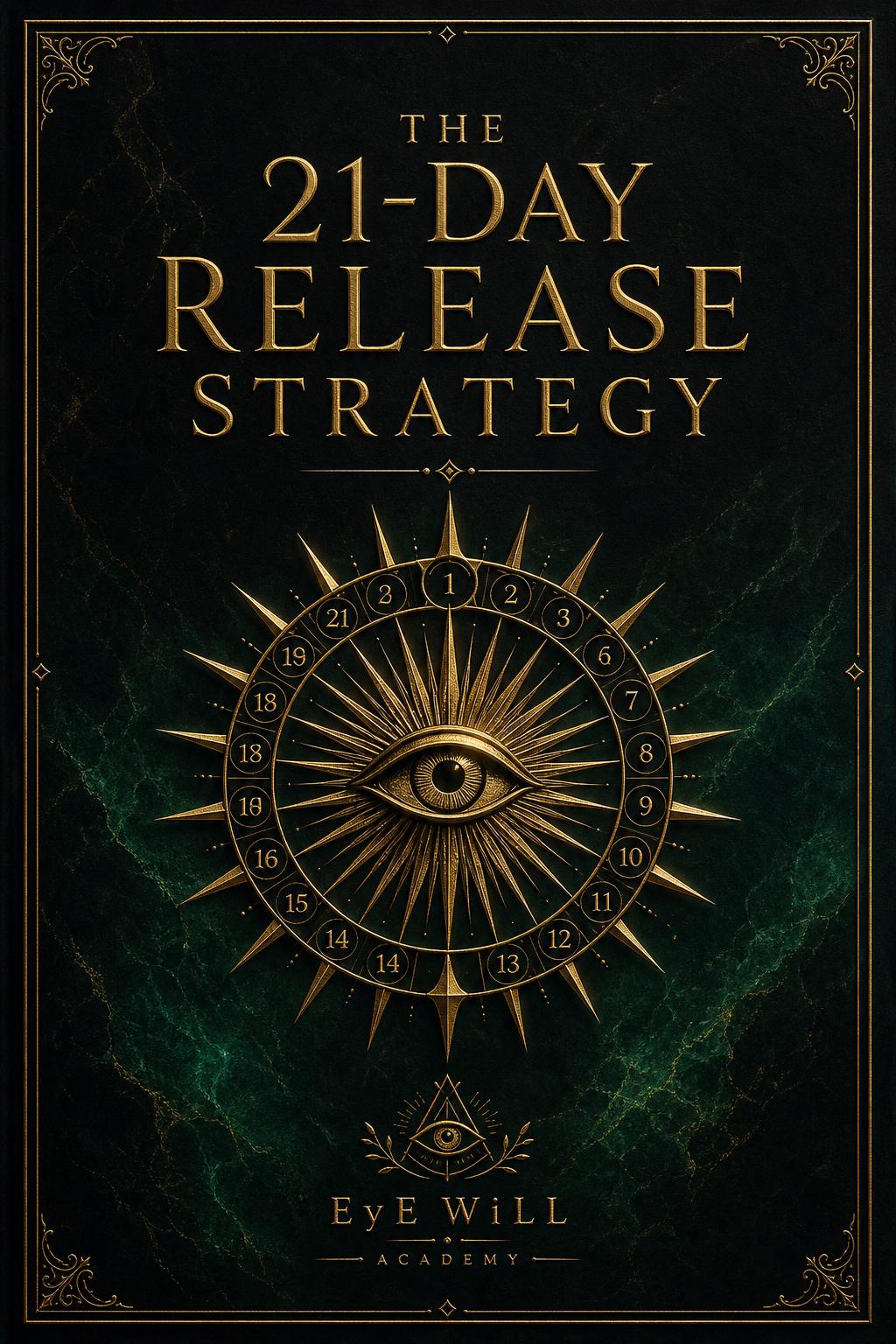
A professional release is not a single point on a calendar; it is a 21-day synchronized campaign divided into three equal phases: Pre-Launch (Days 1–7), Launch Operations (Days 8–14), and Retention Engineering (Days 15–21). Each stage addresses a distinct psychological state of your audience and a specific operational requirement of streaming platform algorithms.
The Pre-Launch phase establishes algorithmic baseline and editorial positioning. This is where the Pitch Made Perfect framework becomes mandatory. You must pitch to native platform editors at least fourteen days before public release, providing contextual narrative clarity, mood markers, and subgenre taxonomy. Simultaneously, short-form creative assets must establish audience curiosity before the full recording is ever made available.
During Launch Operations, the campaign pivots from anticipation to Emotional Resonance. The mistake indie creators make is relying on administrative announcements like the record is out now. The listener does not care about your release logistics; they care about how the art reflects their interior life. The launch window must be commanded by creative assets that demonstrate the song's emotional core, turning passive casual scrollers into devoted advocates.
Leveraging AI for Musicians transforms how an independent team executes this dense calendar. Artificial intelligence models can rapidly generate twenty-one distinct narrative hooks for short-form video variations, test audience conversion probabilities across different copy variations, and map ideal posting times based on audience activity data. AI-driven creative scripting allows a solo artist to operate with the output capacity of an eight-person marketing team.
The final phase—Retention Engineering—is where most campaigns vanish, yet it is where enduring careers are established. Week three requires secondary assets: acoustic arrangements, behind-the-scenes engineering breakdowns, remix variants, and contextualized listener stories. As explored in our Growth & Audience pillar, this secondary wave keeps algorithmic engagement high, preventing the drop-off that leads platforms to downgrade your track.
The EyE WiLL 21-Day Release framework replaces emotional anxiety with predictable process. Stop treating your art like a scratch-off lottery ticket. When you deploy a balanced release architecture, you protect your investment, command algorithmic attention, and give your music the runway it genuinely deserves.